
Tammy Kanniard
How Much Is a Car Accident Case Worth in Columbus, Ohio? The Factors That Determine Value
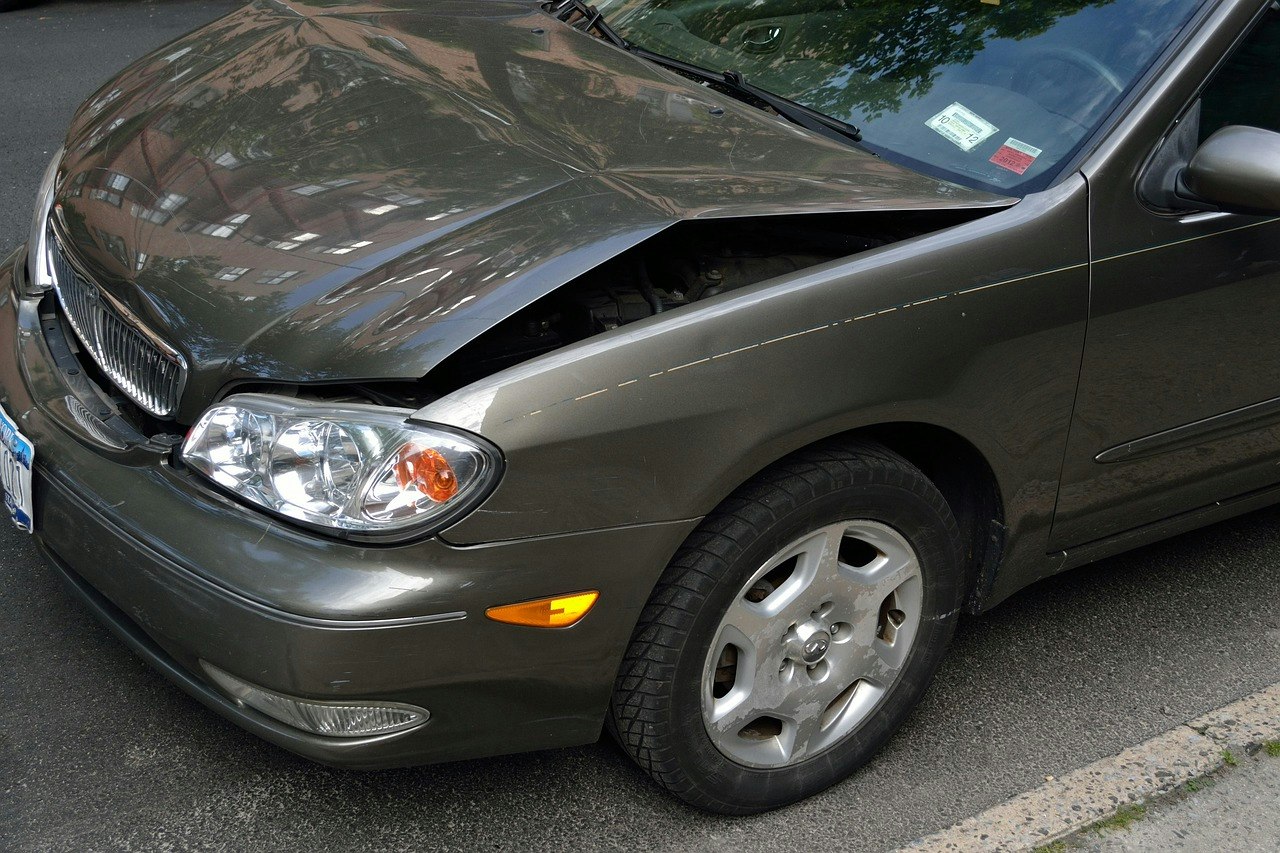
A Columbus car accident case is worth the total of your documented financial losses and non-economic harm, adjusted for fault and limited by available insurance. Medical treatment, lost income, injury severity, fault, policy limits, and long-term effects drive the value, so no calculator can produce a reliable figure. Kurgis & Associates reviews each factor, including your own auto policy, during a comprehensive case evaluation.
How Much Is My Columbus Car Accident Case Worth?
Your case may be worth the value of your documented financial losses and non-economic harm, subject to fault and available coverage. Similar crashes can produce different results because injuries, treatment plans, occupations, recovery timelines, and insurance policies differ. A Columbus car accident case value cannot be determined by a fixed formula.
Estimating car accident compensation in Ohio requires a detailed review. Relevant materials include medical records, bills, wage documentation, crash evidence, policy declarations, and proof of how the injury affects daily life. An early estimate may change if additional treatment becomes necessary or an injury prevents you from returning to your former job.
Online calculators cannot account for these details. Multiplying medical bills by a fixed number also overlooks fault disputes and policy limits, as well as future care and the strength of the evidence. Our comprehensive case and policy evaluation provides a more defensible estimate by connecting each claimed loss to applicable coverage and supporting proof.
What Ohio Injury Settlement Factors Determine Case Value?
Six primary Ohio injury settlement factors shape case value: medical treatment, lost income, injury severity, fault, insurance limits, and long-term effects. No single factor controls every claim, so each must be considered within the complete facts of the collision.
Our team examines these areas:
- Medical treatment: Emergency care, hospitalization, surgery, medication, chiropractic care, physical therapy, and anticipated future services can affect value.
- Lost income: Recoverable losses may include missed wages, reduced hours, used leave, lost opportunities, or diminished future earning ability.
- Injury severity: Broken bones and lasting impairments generally have different consequences than temporary soreness.
- Fault: Police reports, photographs, witness accounts, vehicle data, and other evidence can influence liability.
- Insurance limits: The at-fault driver’s coverage may restrict practical recovery unless another source applies.
- Long-term effects: Chronic pain or permanent restrictions can affect mobility, sleep, employment, and normal activities.
Preserve every bill and treatment instruction. Work excuses, pay records, mileage logs, and photographs of visible injuries can also document losses. Take injury photographs throughout recovery rather than relying only on pictures from the crash date.
How Do Medical Treatment and Injury Severity Affect Car Accident Compensation in Ohio?
Medical treatment documents the injury, its severity, and the care reasonably required. Severity matters separately because lasting impairment can affect work and mobility, along with independence, family responsibilities, and quality of life after the initial bills are paid.
During a case evaluation, Kurgis & Associates looks beyond the total amount charged for care. Medical records should connect the collision to the diagnosed condition and document the course of treatment. They should also explain any future medical needs. EMS transport, emergency care, fractures, surgery, or extended rehabilitation can establish substantial harm, but supporting documentation remains critical.
Follow the prescribed treatment plan and report new symptoms to your provider. If work duties aggravate an injury, request documentation of specific restrictions instead of relying on a general note. Insurers may question gaps in care. Transportation problems, scheduling delays, or coverage disputes may explain an interruption.
Valuation should wait until the recovery outlook is reasonably clear. Resolving a case too early can leave future treatment or permanent limitations outside the settlement.
How Do Lost Income and Long-Term Effects Change Case Value?
Lost income and long-term effects may increase case value when the collision changes your ability to work or live as you did before. Supporting evidence should translate those changes into measurable losses and concrete examples.
To document income loss, we may review pay stubs, employer verification, tax records, attendance reports, medical restrictions, and prior earnings history. Hourly employees can document missed shifts and overtime. Self-employed people may need invoices, contracts, bank statements, or business records. Future earning losses require a credible connection between the injury and reduced earning capacity.
Long-term effects can extend beyond employment. Persistent pain may limit driving or household work. It can also disrupt exercise and sleep while making family responsibilities more difficult. A daily journal can preserve specific examples, such as needing assistance with stairs or being unable to sit through a full shift. Keep entries factual and dated.
Do not calculate wage loss from memory alone. Request written earnings information from your employer and match missed periods to medical documentation when possible.
How Do Fault and Insurance Limits Affect a Columbus Claim?
Fault influences whether compensation is available and whether it may be reduced. Insurance limits determine how much money can realistically be recovered from a specific policy. Strong proof of harm cannot replace evidence that another party bears legal responsibility.
Our team investigates reports, photographs, witness statements, medical records, and other relevant evidence. Before giving a recorded statement or signing a broad medical authorization, understand how the insurer may use it. Preserve pictures showing the vehicles and roadway. Images of traffic controls, injuries, damaged personal property, and surrounding conditions may also support the claim.
Policy review is equally important. Relevant sources may include the at-fault driver’s liability policy and your uninsured or underinsured motorist coverage. Medical payments coverage could also apply. Commercial vehicle and rideshare accident claims may involve additional companies or policies.
Request the declaration pages from your insurer rather than relying on an insurance card. Those pages identify coverage types and limits, which a calculator cannot evaluate.
Why Kurgis & Associates for Columbus Car Accident Claims
Personal injury legal services focused exclusively in Ohio give our team a clear understanding of local vehicle accident claims. With more than 30 years of experience securing compensation for Ohio injury victims, Kurgis & Associates represents people injured in car, motorcycle, and truck crashes throughout Columbus and surrounding communities.
Every client speaks with an attorney, while a real person handles each stage of the client journey. You can visit our Central Ohio office to meet your attorney or case manager. Policy reviews are also part of our whole-client approach because your own coverage may become important when the responsible driver lacks sufficient insurance.
Our client-centered legal strategy begins with a complete case evaluation, so any claim for compensation is built on documented losses and available coverage.
Request a Comprehensive Case and Policy Evaluation
For a grounded assessment, contact us to review the collision’s effects and the available insurance. The evaluation may address your injuries and treatment history, as well as income loss, crash evidence, and relevant policies. Bring any medical records or wage documents you already have. Crash photographs and policy declaration pages are also useful, but missing paperwork should not delay the conversation. We will explain which factors may strengthen or limit recovery without relying on a generic calculator.
FAQ
Can a minor car crash still result in a valuable injury claim?
Yes. Vehicle damage alone does not determine injury severity or claim value. Medical findings, treatment duration, income loss, persistent symptoms, fault, and available coverage provide more useful evidence than the repair estimate by itself.
Should I accept the insurance company’s first settlement offer?
Review whether the offer accounts for completed treatment and future medical needs before accepting it. It should also address lost income, long-term limitations, and applicable coverage. Signing a release usually ends the claim, even if additional expenses appear later.
Can I recover compensation if I was partly at fault for the crash?
Partial fault can reduce compensation in an Ohio car accident claim. A sufficiently high share of responsibility can bar recovery. Liability should be evaluated from the full evidence rather than accepted solely from an insurer’s initial decision.
What documents should I bring to a car accident case evaluation?
Bring the crash report and any available photographs. Other useful materials include insurance correspondence and policy declaration pages, along with medical records, bills, work restrictions, and wage documentation. Do not delay an evaluation because one document is missing; our team can identify what still needs to be collected.
How long should I wait before valuing my injury claim?
Reliable valuation usually requires enough medical information to understand your recovery outlook. Future care and lasting restrictions also need consideration. Placing a value on the claim before those facts become clear may overlook significant losses.